Quick answer
Yes. Brick masonry is not always a perfectly waterproof barrier. Water can enter through cracked or missing mortar, porous brick, failed window joints, copings, parapets, flashing, roof-wall transitions, and other openings.
What is usually happening
For a useful answer, look at the whole system rather than one isolated symptom. Important factors include:
- Wind-driven rain pattern
- Open head joints and bed joints
- Window and sill details
- Roof and parapet conditions
- Interior staining location
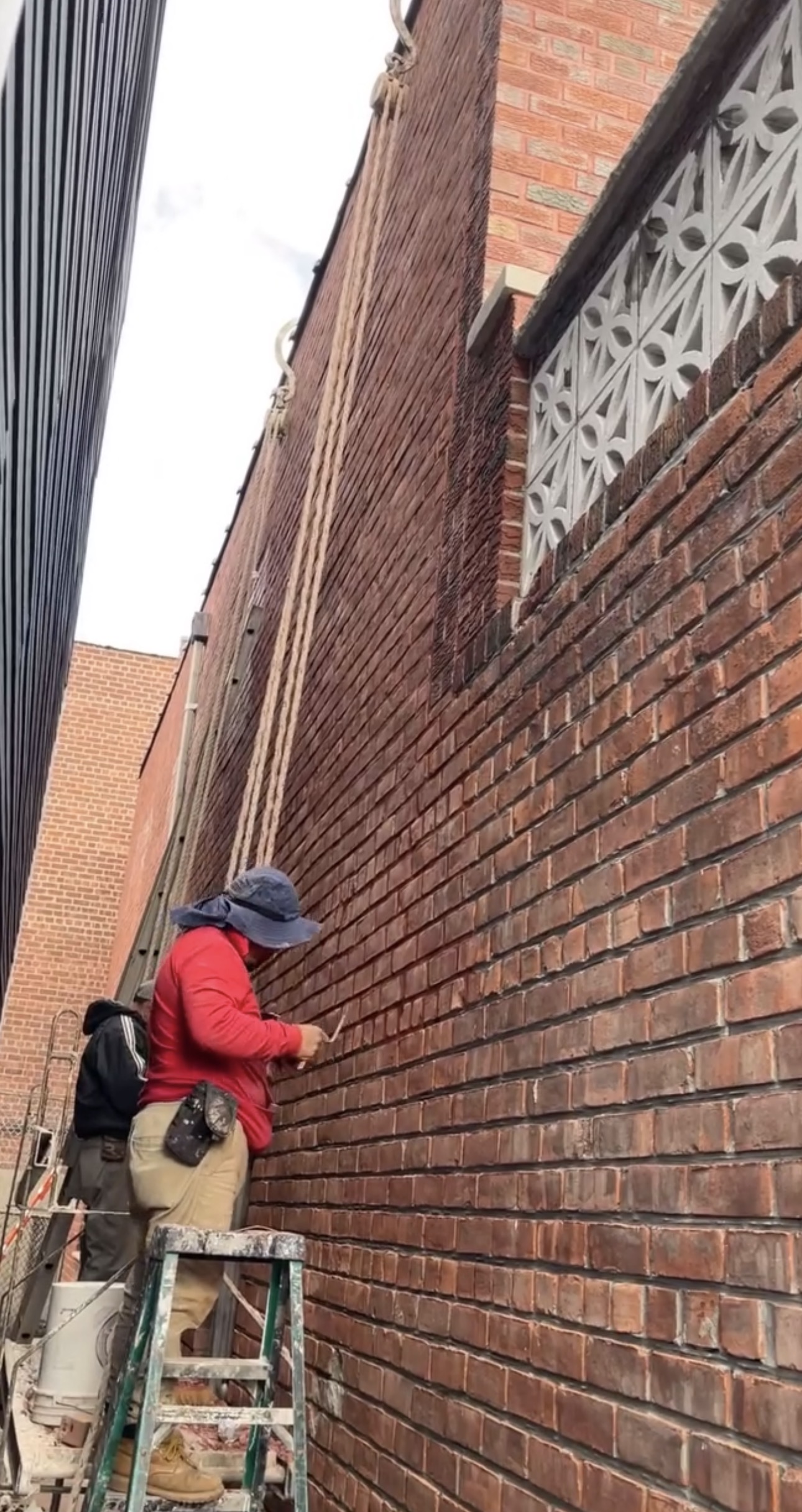
Brick pointing work on an NYC property.
Common mistakes to avoid
- Choosing a repair only because it has the lowest upfront price
- Treating the visible symptom without identifying the moisture, movement, drainage, or access issue behind it
- Accepting a vague scope that does not explain preparation, materials, protection, cleanup, and exclusions
- Using an online estimate as a final price without confirming field conditions
When to call a contractor
Arrange an inspection when damage is spreading, water is entering, materials are loose, there is a trip or fall hazard, the same repair keeps failing, or the work requires roof, scaffold, street, sidewalk, or neighboring-property access.
Signs and checks to review
- Wind-driven rain pattern
- Open head joints and bed joints
- Window and sill details
- Roof and parapet conditions
- Interior staining location
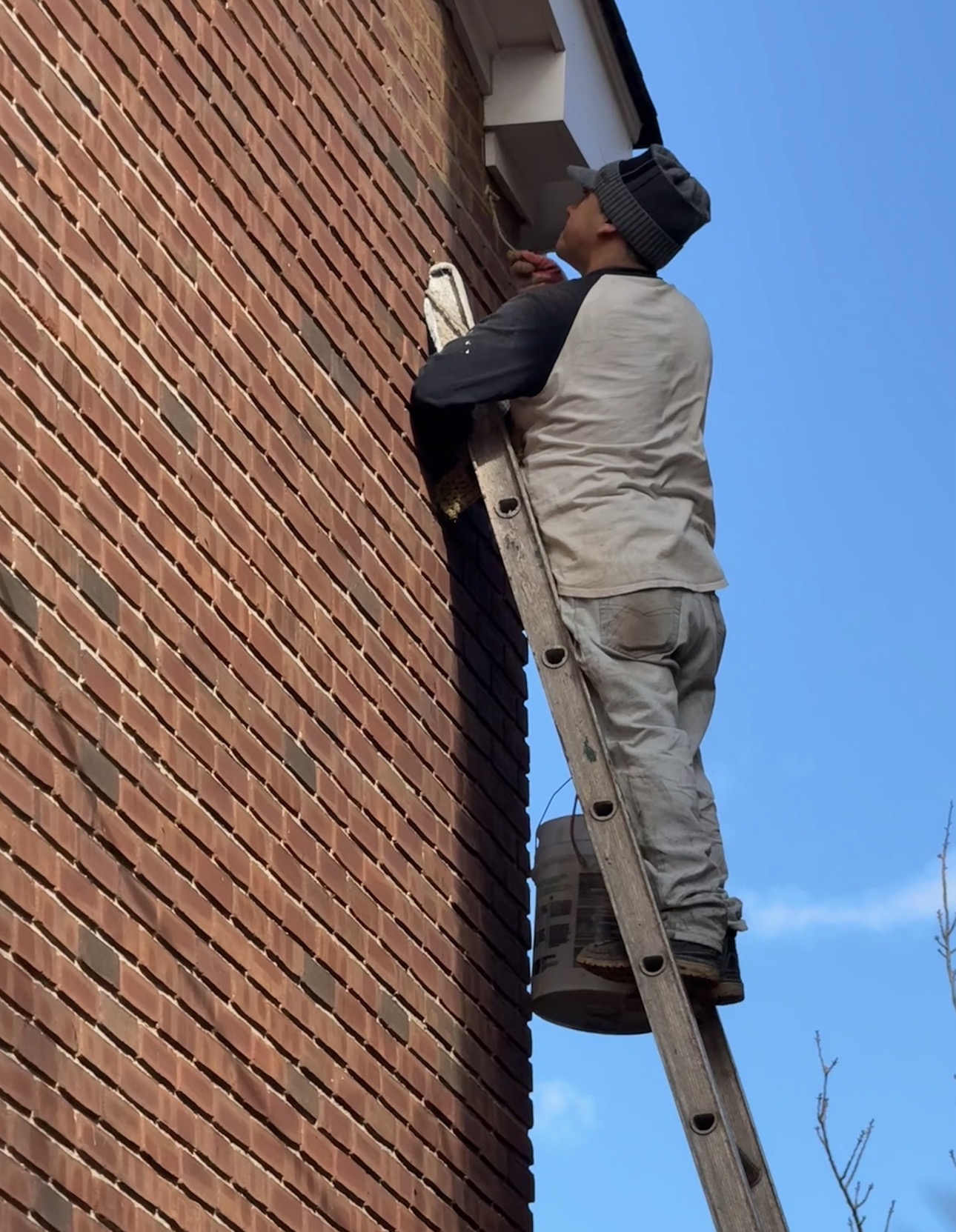
Close-up brick pointing detail.
Frequently asked questions
Can this be priced from photos?
Photos can often support a preliminary budget range, especially when they show the full area, close-up damage, height, access, and surrounding conditions. A final scope may still require an on-site inspection.
Should I get more than one estimate?
Comparing estimates can be useful, but compare the written scope, preparation, materials, access plan, protection, cleanup, licensing, insurance, and warranty - not only the total price.
Is this usually an emergency brick pointing issue?
It may be urgent when water is actively entering, materials are loose or falling, structural movement is visible, electrical systems are affected, or there is a safety hazard. Otherwise, schedule an inspection before the condition expands.
Bottom line
The right answer to "Can water seep through brick walls?" depends on the property's condition, exposure, access, and the exact repair scope. Use this page as a starting point, then confirm the condition with clear photos or an inspection before authorizing work.